Retail Generative AI: Why 2026 is the Year of the 'Associate Copilot' (And Why Most GenAI Projects Will Fail)
Retail GenAI
Why This is the Year of the AI ‘Associate Copilot’ - and why Most AI Projects Fail
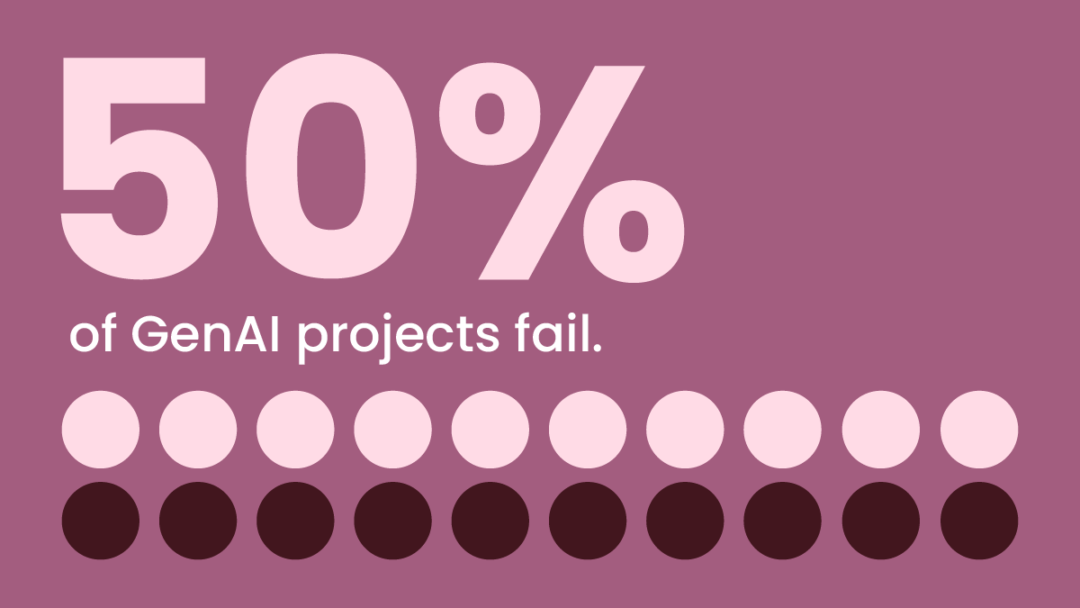
Gartner’s latest warning should make every retailer pause: at least 50% of generative AI projects were abandoned after proof of concept by the end of 2025. The reasons? Poor data quality, inadequate risk controls, escalating costs and - perhaps most importantly - unclear business value.1
For retailers, there’s a useful parallel. Many fear POS implementations as expensive, disruptive projects that run over schedule, create migration headaches and risk upsetting day-to-day operations (more on that here).
GenAI pilots are in danger of becoming the new version of the same story: impressive demonstrations that struggle to survive in a live environment.
The answer? It’s to be much more selective about where and how to deploy AI.
GenAI in retail: what it is and its benefits
At its simplest, generative AI allows people to interact with technology using natural language. This could mean asking questions, retrieving information and generating useful responses or actions.
Sounds straightforward, right? In a retail environment, it isn’t.
A useful retail AI assistant needs access to accurate information about products, stock, sales, promotions, customers and operations. If that underlying data is fragmented, outdated or badly managed, the smartest AI in the world will still produce unreliable answers, or “hallucinate”.
As Gartner puts it, “data must be curated, accurate, enriched and well-governed.”
Generative AI use cases
We’ve seen many retailers deploying GenAI simply because it’s new. But GenAI performs best when it’s solving high-frequency problems and delivering operational results such as saving time, improving decision making and making people more effective. Explore the use cases below:
1. Faster exception handling
Day to day retailing is full of exceptions:
🔍 A product isn’t where it should be
📈 Stock figures don’t look right
⚠️ A promotion isn’t working as expected
↩️ Return figures are up drastically vs. the same period last year
Instead of asking associates to search manually across multiple systems or escalate every issue, an AI assistant can present relevant live information and help them understand what’s happening - and what action to take next.
That means less time troubleshooting… and more time serving customers.
2. Shorter onboarding
Retail has a constant flow of new colleagues - particularly during peak season - and getting them up to speed takes time.
An AI assistant can give new associates an always-available source of answers - from product information and store processes to promotions and operational questions - so that rather than waiting for a manager to step in, employees can get the information they need in the flow of work.
The result? Faster onboarding, confident new starters and less pressure on experienced staff.
3. Smarter product recommendations
Customers expect associates to know their products by heart. But modern retail ranges can be enormous, and remembering every specification, alternative and availability detail simply isn’t realistic.
A GenAI assistant can help associates find the right information quickly: such as product specifications, suitable alternatives, availability and relevant recommendations.
So the associate stays in control of the conversation. And AI simply gives them a much bigger knowledge base to draw from.
4. Instant access to operational insight
Retail managers and associates are constantly needing insights on performance.
❓❓❓What’s selling? Where are we underperforming? How are promotions landing? What’s happening with stock?
Instead of navigating reports and multiple dashboards, conversational AI can make that information easier to access. Users can ask questions naturally and get to the answers they need faster.
And that’s where GenAI is a game-changer: as a copilot embedded in the retail operation.
Meet Tillie: your associate copilot
This is the thinking behind Tillie by Extenda Retail - an AI assistant built into your retail ecosystem rather than bolted on as an afterthought.
Tillie gives store teams a conversational interface to business-critical retail information, from product specifications and availability to sales performance and operational insights. It can help colleagues find products, identify alternatives, support recommendations and access information without navigating multiple applications.
The important distinction between Tillie and other AI tools is that it’s powered by Extenda Retail’s microservices and cloud-native architecture. This architecture means the AI can work with the data and workflows that already power retail operations, rather than asking retailers to create another isolated AI environment.
Conclusion: how to ensure failsafe retail AI rollouts
Gartner’s message is clear: GenAI projects fail when organisations focus on the technology before the business problem.
Retailers should take the opposite approach.
Start with the friction: Find the repetitive questions, operational exceptions and knowledge gaps that cost teams time every day. Build AI into those workflows. Measure the impact. Then scale.
Gartner also warns that organizations need to master the data fundamentals to turn AI pilots into production.
For retailers, Tillie offers a practical way to move beyond the GenAI demo and put AI where it can actually make a difference - on the shop floor, helping the people who make retail happen.
The AI pilot driven by trends shouldn’t be the goal. It should be the beginning of a smarter way to operate.
Ready to move beyond the GenAI pilot?
See what generative AI can actually do in a live retail environment.